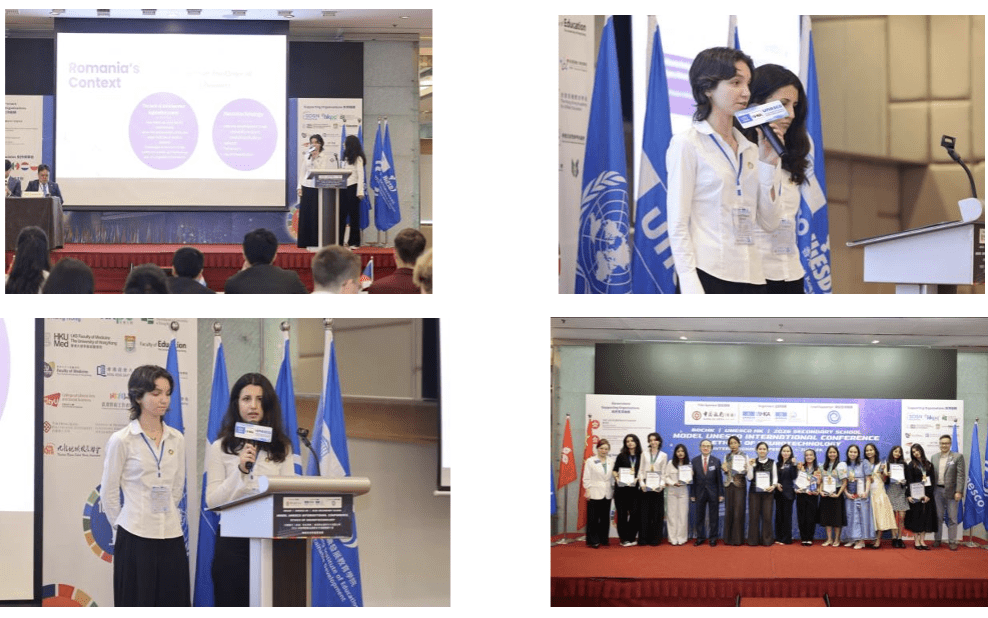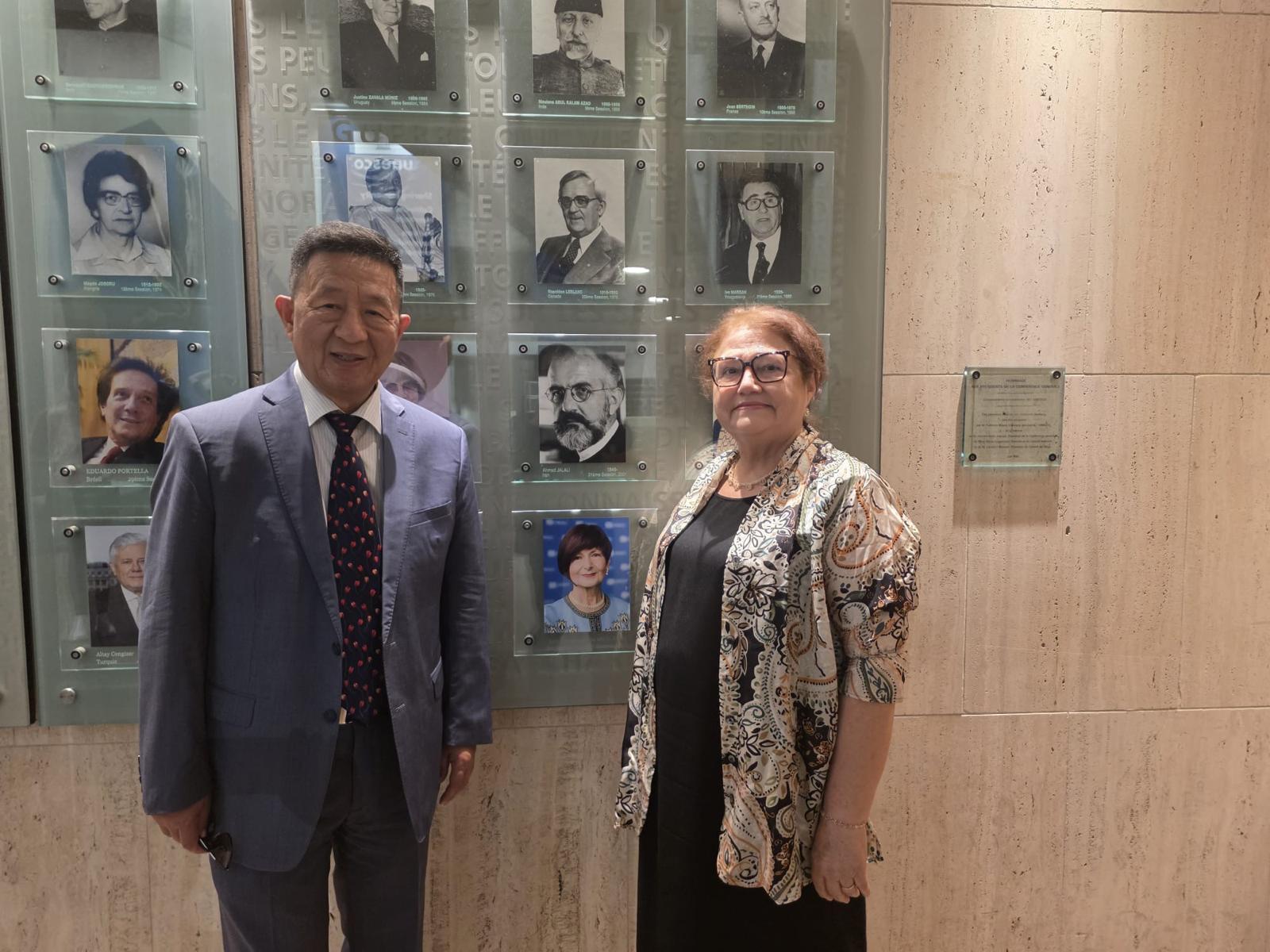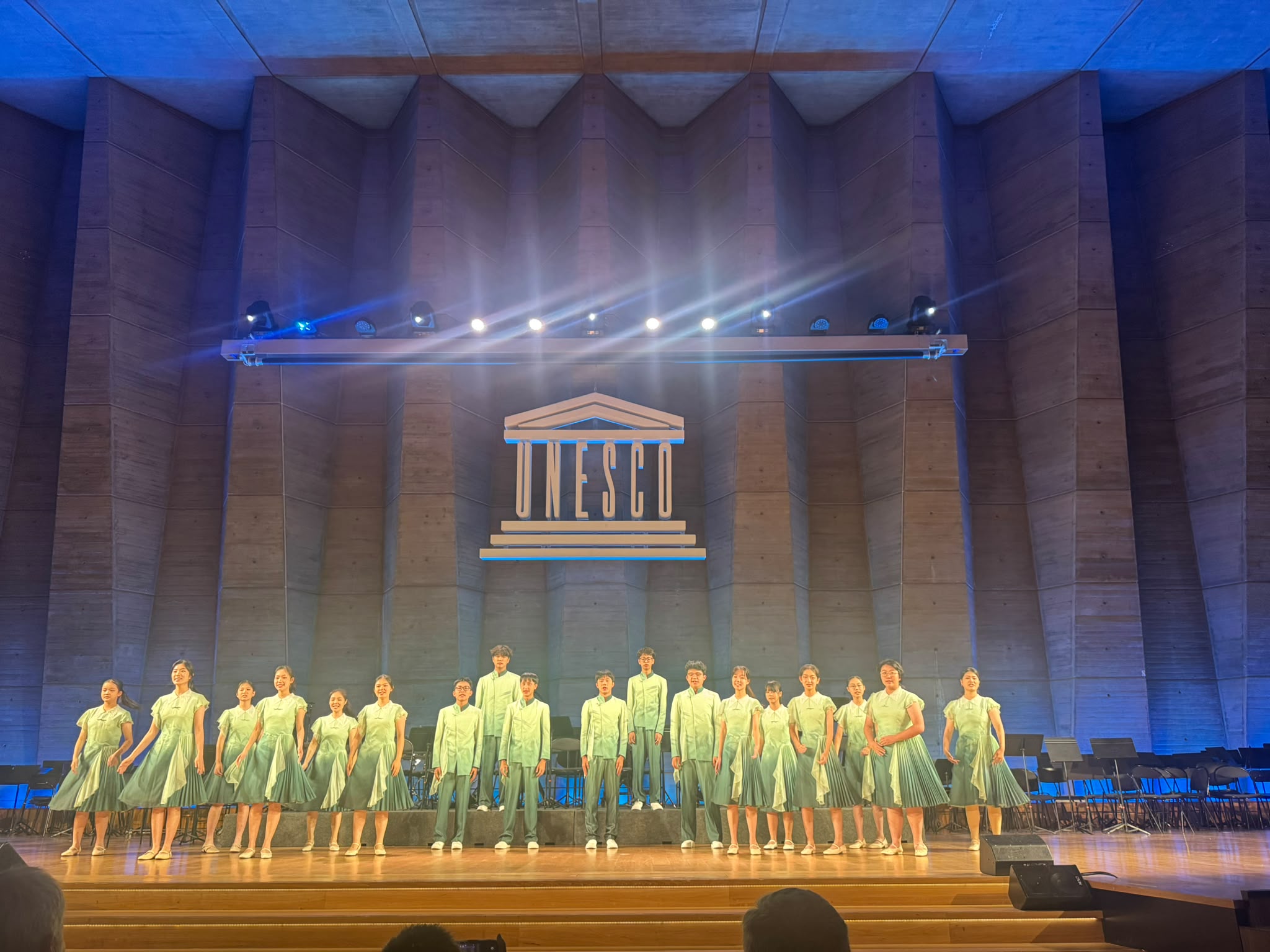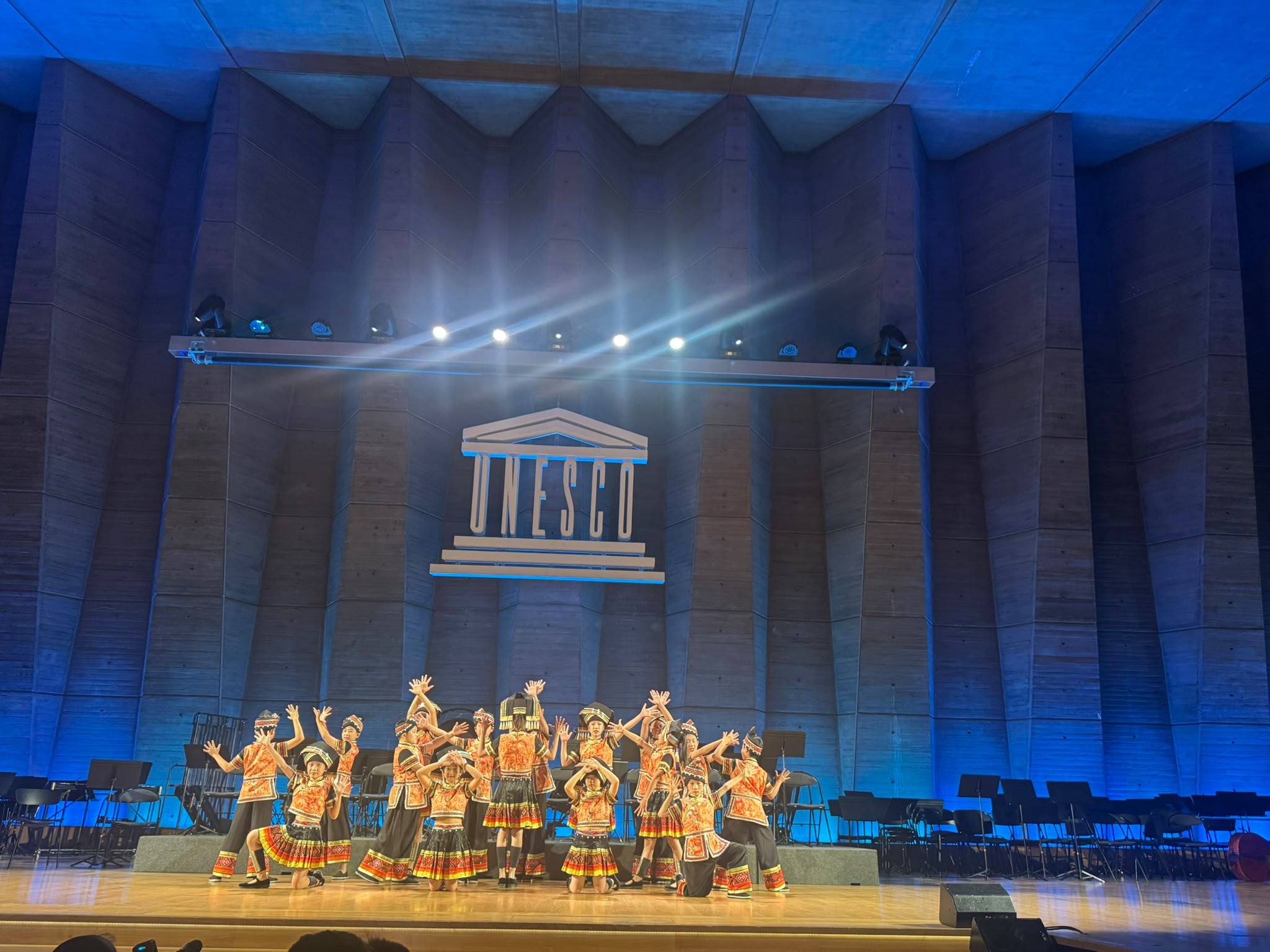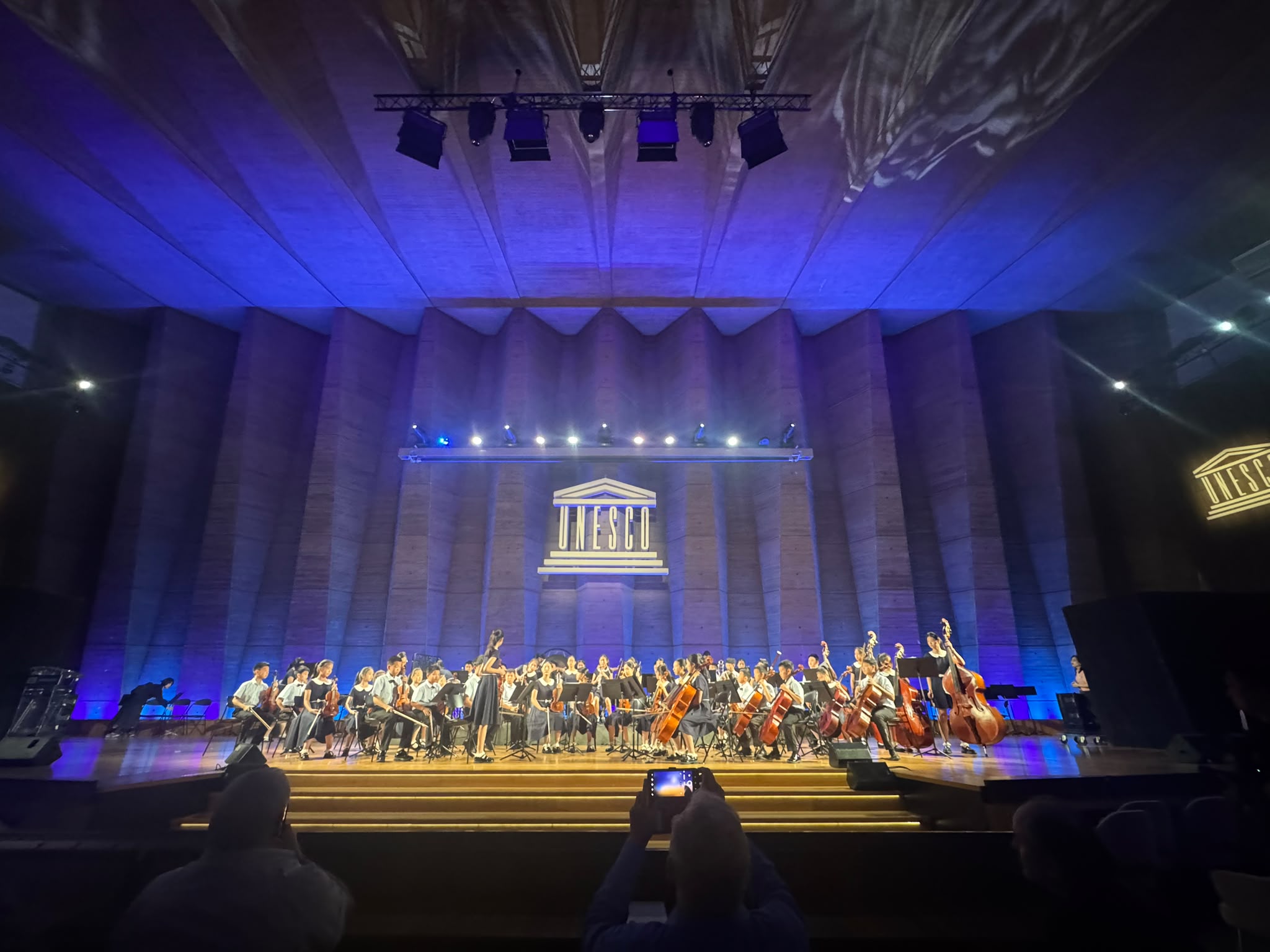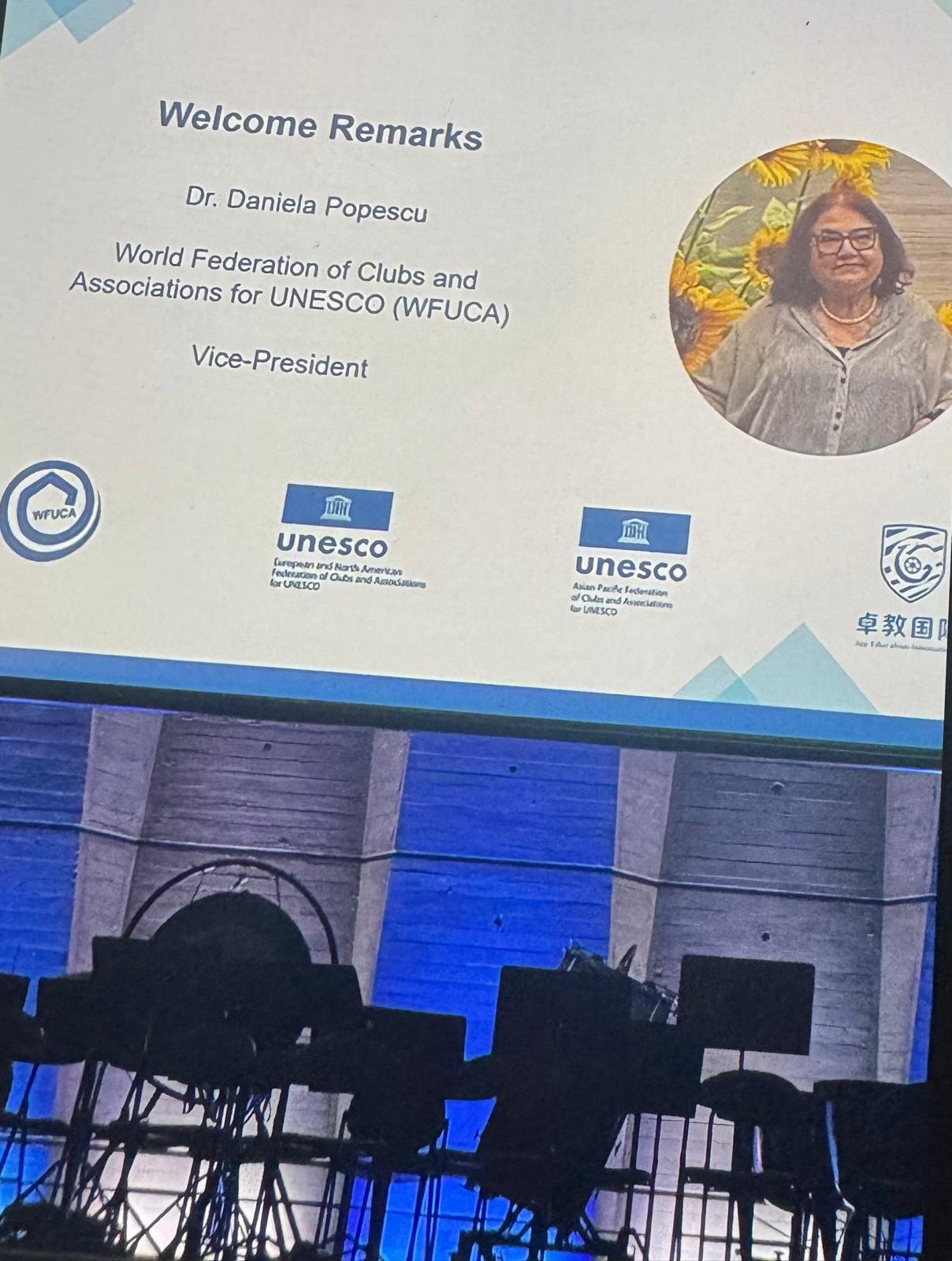
Alumnus Club for UNESCO, prin președinta sa, Daniela Popescu, a fost parte din întâlnirea regională a cluburilor UNESCO din țările arabe, desfășurată la 29 septembrie 2026, eveniment organizat de UNESCO și Federația Tunisiană.
Întâlnirea a reprezentat un important moment de dialog și schimb de experiență între organizațiile și cluburile UNESCO participante și a oferit cadrul pentru prezentarea unor inițiative de cooperare internațională.
În cadrul evenimentului, Alumnus Club for UNESCO a prezentat parteneriatul dezvoltat în perioada 2025–2026 cu UNESCO Club of Gafsa din Tunisia, parte a inițiativei „Euro-Arab Cultural Bridge – Education, Heritage and UNESCO Cooperation”, realizată în cooperare cu partenerii din România și Tunisia.
Parteneriatul, început la Gafsa, în noiembrie 2025, printr-o serie de momente simbolice și culturale – plantarea pomilor, participarea la festivalul cinematografic, celebrarea Zilei Naționale a României și descoperirea patrimoniului tunisian, inclusiv prin experiența memorabilă din deșert – a continuat în România, în aprilie 2026, prin programul desfășurat în Bucovina.
Prezentarea a evidențiat astfel continuitatea unei colaborări construite prin cultură, educație, patrimoniu, tineret și valorile UNESCO, precum și perspectiva dezvoltării acesteia într-un cadru mai larg de cooperare între Europa și lumea arabă.
Mai jos redăm discursul prezentat în cadrul întâlnirii regionale:
Ladies and gentlemen,
Dear friends,
Some bridges are built of stone. Others are built through trust, shared memories and the courage to discover one another.
Between Romania and Tunisia, such a bridge began to take shape through culture, education, heritage and UNESCO values.
The initiative “Euro-Arab Cultural Bridge – Education, Heritage and UNESCO Cooperation” is particularly important because it represents the first common initiative between the European and Arab branches of the World Federation.
We are opening a new path for Euro-Arab cooperation, with the ambition to involve other UNESCO organizations and communities from Europe and the Arab world.
This initiative was also dedicated to the 70th anniversary of Romania’s membership in UNESCO.
In Romania, it was organized by the Romanian Federation, the Alumnus Club, the CYGNUS Scientific Society and the “Bucovina” Forestry College, together with our Tunisian partners, especially the Club of Gafsa.
I would like to thank Mr. Mokhtar Farhat, President of the Club and Vice-President of the World Federation, as well as Mr. Mohamed Tlili and the entire Tunisian team, for their friendship, hospitality and commitment.
Our first meeting took place in Gafsa in November 2025. We planted trees together, participated in the Gafsa Film Festival, met at the university, celebrated Romania’s National Day and experienced the Tunisian desert — moments that brought us closer to the country, its people and its culture.
What began in Gafsa continued in Romania. From 1 to 8 April 2026, we welcomed our Tunisian partners to Bucovina, where they discovered Romania through its cultural and natural heritage. They visited the UNESCO World Heritage monasteries, explored local crafts, museums and ethnographic collections, and experienced the region’s natural landscapes.
They also discovered the educational and scientific dimension of Bucovina through the National Forestry Research, and a day dedicated to University of Suceava.
A central moment was the international conference “Youth and Museums”, 18th edition, bringing together young people, partner organizations, UNESCO representatives and the ambassadors of Romania and Tunisia.
For us, young people are essential. They are not only the future custodians of our heritage; they can also become active participants in preserving, interpreting and transmitting it.
The initiative was marked by two symbolic gestures: a tree was planted in Gafsa and a flag was raised in Câmpulung Moldovenesc. A tree needs time to grow, and so does cooperation.
I invite UNESCO organizations, cultural institutions, schools, universities and local communities across Europe and the Arab world to join us. I especially invite young people to become ambassadors of this bridge;
And I would like to conclude with an idea drawn from the Pope’s brilliant speech at UNESCO:
“Communion in no way suppresses diversity.”
Unity does not erase diversity. On the contrary, diversity can flourish in the harmony of our voices.
Dear friends, from every corner of the world,
We do not have to become the same in order to understand one another. We must learn to recognize and respect our differences, and to transform them into bridges.
This is exactly what I felt in Gafsa and in Bucovina.b