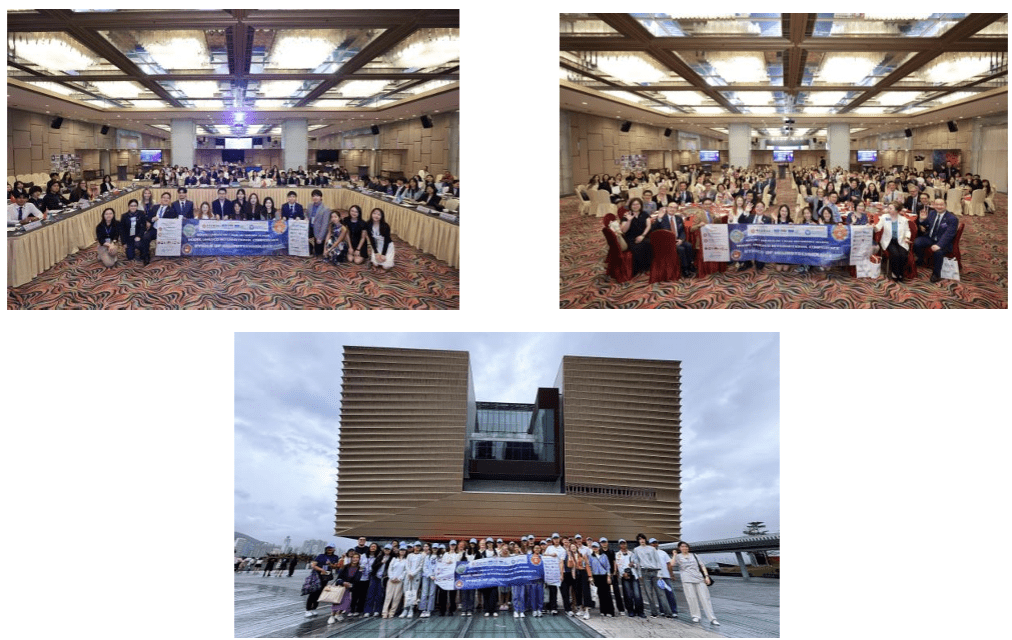
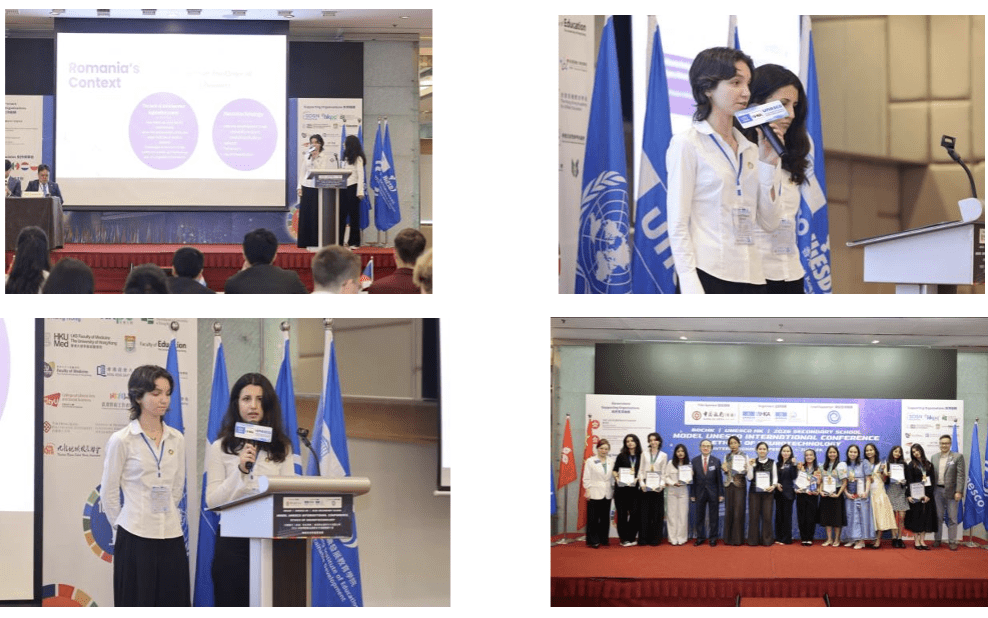
此次全球活动由阿塞拜疆政府与教科文组织合作举办, UN Alliance of Civilizations, UN World Tourism Organization, Council of Europe and ISESCO.
The World Forum on Intercultural Dialogue, also known as the “Baku Process” was initiated in 2008, and has become a global platform for exchange and discussion on major contemporary challenges pertaining to intercultural dialogue and the sharing of related universal values; pressing issues in today’s globalized and more and more diverse societies.
The first and second forums were organized in Baku in 2011 and 2013 and achieved remarkable success, supporting the inscription of intercultural dialogue and cultural diversity at the forefront of the international agenda. Bringing together head of governments, ministers, heads of various international organizations, senior policy makers, prominent intellectuals, experts and cultural professionals, goodwill ambassadors, journalists and media professional, community leaders, representative of civil society organizations, youth associations, and activists, this Forum reaffirmed the imperative need to consolidate and intensify dialogue among peoples from different cultures, religions or beliefs, in order to create, at the national, regional and global levels, an environment conducive to respect for cultural diversity, human rights and mutual understanding.
The 3rd World Forum on Intercultural Dialogue was focus on the theme: “2015年后发展议程中的文化与可持续发展”, 庆祝世界文化多样性日,促进发展共和国文化和跨国界的对话和发展 (21 圣五月), while opening discussion on main projects, programmes and initiatives aimed to building trust and cooperation among peoples, cultures and civilizations. The role of culture, heritage, religions, faiths or beliefs, migration, education, sport, youth, business, tourism, among others, will be addressed in this regard to address new trends and challenges for intercultural dialogue, using the timely framework offered by the International Decade for the Rapprochement of Cultures (2013-2022), proclaimed by the United Nations.