press articles tergnier 2010 – publications


press articles tergnier 2010 – publications
Ladies and gentlemen, dear guests,
Good evening, Ni Hao!
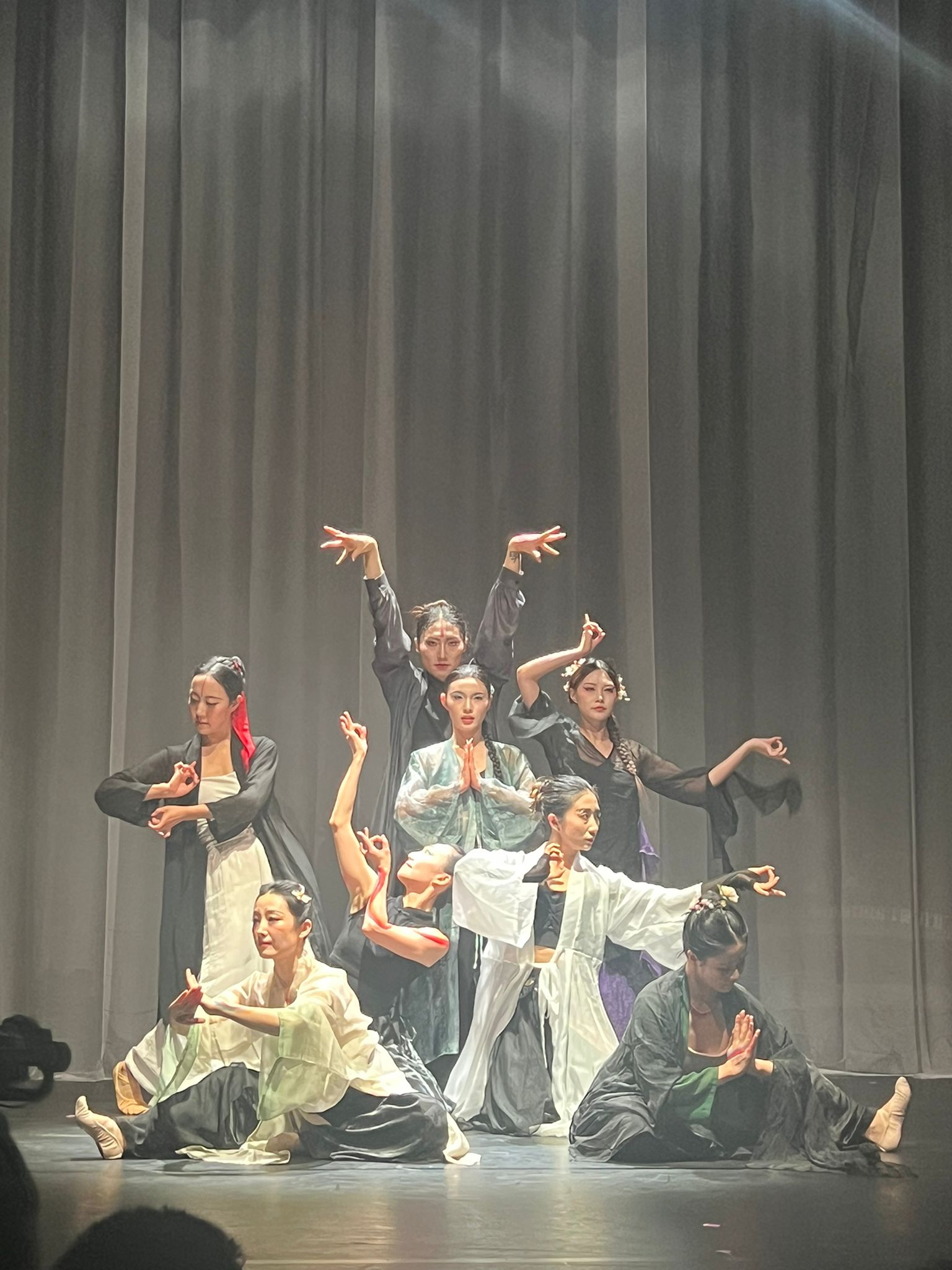
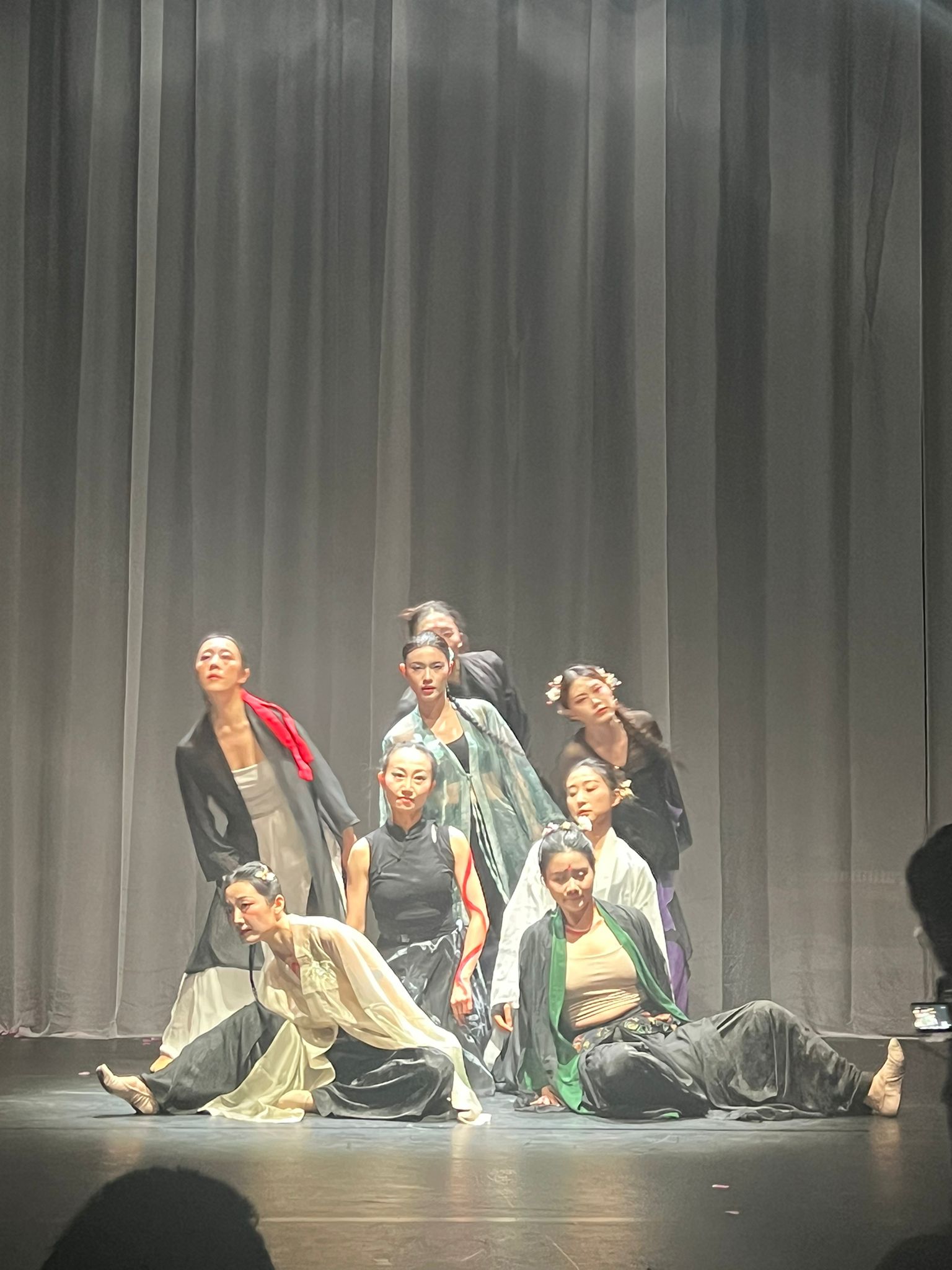
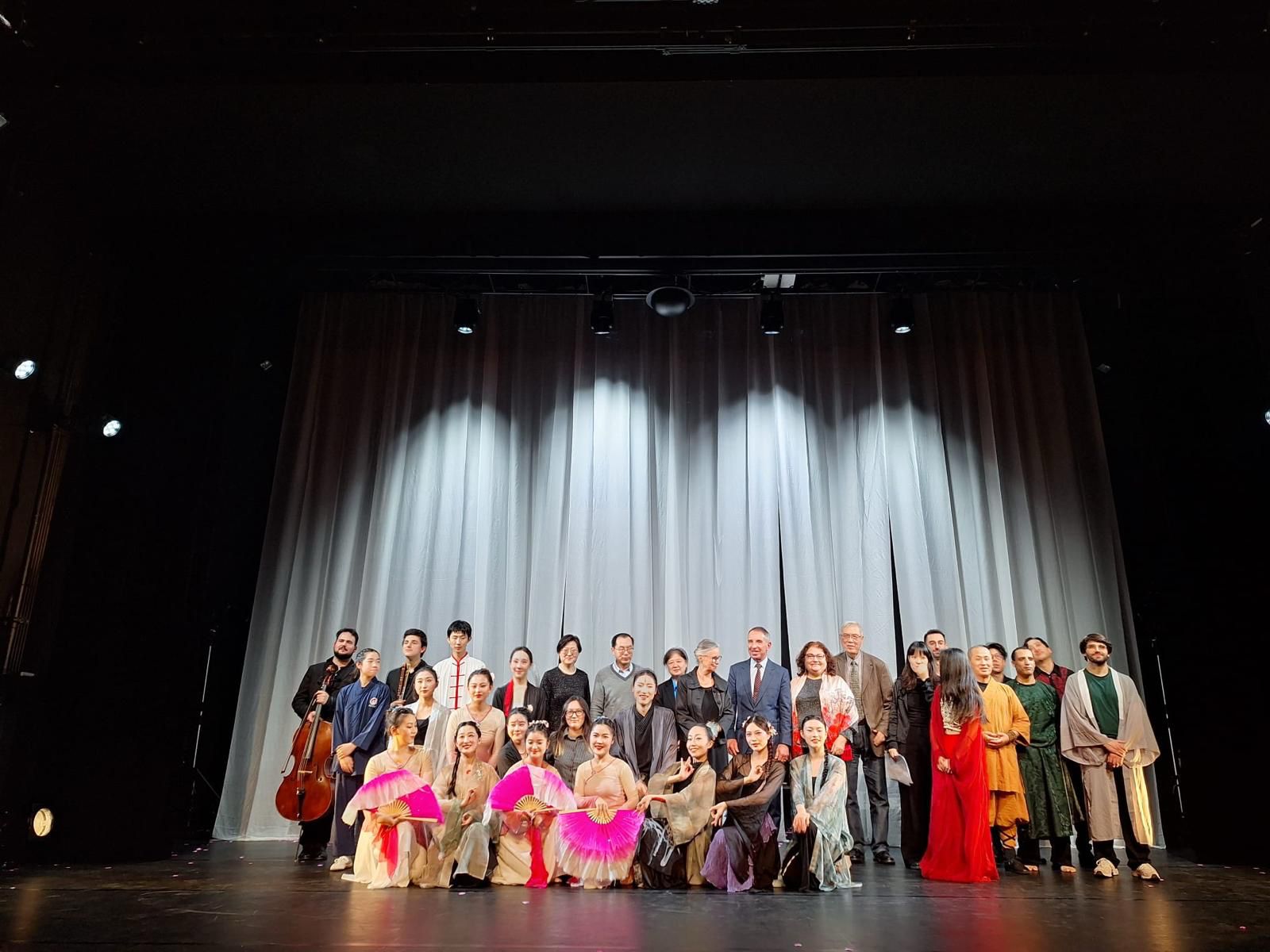
It is a great pleasure to be here tonight for the dance performance presented by the Confucius Institute of ESCE, in celebration of the Chinese New Year of the Horse.
As vice-president of the World Federation of UNESCO Associations, I have had the privilege of visiting China on numerous occasions. One of these experiences stands out in particular: my participation in the Dunhuang International Arts Week last summer. Standing in the Mogao Caves, facing the millennial frescoes, I felt strongly that these works were not just witnesses to the past, but the living expression of a civilization still in motion. This moment has deeply strengthened the connection I feel with Chinese culture.
Chinese culture, in particular, it fascinates me with its richness and depth. Rooted in a history and traditions that span millennia, it is also distinguished by its ability to evolve, to engage in the contemporary world and embrace innovation. This alliance between heritage and modernity gives it such remarkable vitality.
The show presented tonight, "Legend in Dance", it offers a dialogue that transcends time and cultures. It fully resonates with the mission of the World Federation of UNESCO Associations: to encourage intercultural dialogue, to value the diversity of cultural expressions and to support the living transmission of traditions. More than a show, it is a real bridge between civilizations, a bridge of understanding and harmony.
I would like to express my deep gratitude to the Confucius Institute of ESCE for organizing this event and to warmly thank the Paris Chinese Dance Company and the Chinese and French artists who will share this exceptional moment with us, as well as to Mr. Mao Qiang and all the teams involved for their outstanding work.
In the end, may the Year of the Horse bring health to all, happiness and energy. I wish this show a huge success and I hope you all have a wonderful evening.
thank you!
Today, 15 January, we celebrate the Day of National Culture, a day of deep significance for our Romanian identity, inseparably linked to the birth of the national poet Mihai Eminescu.
Eminescu is not only a great poet, but a consciousness of the Romanian culture, a voice that gave the language eternity. Through his work, he managed to grasp the longing, love, nature, the history and aspirations of an entire people.
The fact that we are today at the Romance Museum in Târgoviște adds a special emotion to this celebration, because romance, like Eminence poetry, talk about the soul, about sensitivity and what unites us beyond time.
Celebrating culture, we celebrate ourselves, our roots and responsibility to carry forward the values that define us as a nation.
Happy Birthday, Romanian culture!
Happy Birthday, Mihai Eminescu
Dear members, partners and friends of the Alumnus Club for UNESCO,
Dear members, partners and friends of the Alumnus Club for UNESCO,
At the end of the year 2025, we mark with emotion the fulfillment of 25 of years of activity dedicated to young people and UNESCO values.
At the end of 2025, we proudly celebrate 25 years of activity dedicated to young people and UNESCO values.
In this quarter of a century, we exceeded a thousand actions and projects in culture, education and science, together with our community.
Over this quarter of a century, we have carried out more than one thousand actions and projects in culture, education and science, together with our community.
We enter 2026 with gratitude for the support of members, volunteers and institutional partners.
We enter 2026 with gratitude for the support of our members, volunteers and institutional partners.
We remain committed to forming responsible generations that build peace, intercultural dialogue and sustainable development through concrete actions.
We remain committed to empowering responsible generations able to build peace, intercultural dialogue and sustainable development through concrete action.
We wish you a healthy New Year, peace and inspiration for new joint projects.
We wish you a New Year filled with health, peace and inspiration for new shared projects.
Happy Birthday from the Alumnus Club for UNESCO!
Happy New Year from the Alumnus Club for UNESCO!
The Museum of Urban Civilization of Brașov hosted on Friday, 19 December 2025, at classes 14:00, at the opening of the exhibition "From the world gathered… and back to the data world".
“…in the exhibition they are found, photographs illustrating aspects of urban life, documents related to the productive activity of some Brașov factories, part of the tool inventory of a blacksmith shop, machines and tools specific to the practice of shoemaking, family photos, a variety of presentation albums, registers and documents that belonged to famous furniture manufacturers from Brașov, pieces of furniture, musical instruments, dish, popular wear pieces, clothing and accessories specific to urban fashion, interior textiles and, not least, a selection from the impressive number of ethnic dolls from around the world, pieces with which, during the years 2020-2025, the heritage of the Museum of Ethnography Brașov has been enriched.”
All this large collection of dolls was donated in the name of the Alumnus Club for UNESCO by our club members, Ana Dumitrescu a few years ago.
On 13 December 2025, Hong Kong hosted the first UNESCO International Model Conference on the Ethics of Neurotechnologies, bringing together young leaders from 45 of countries.
The list of participating nations and regions was impressive, including: Australia, Belgium, Benin, Brazil, Cambodia, Canada, Chile, China, Ivory Coast, Egypt, Finland, Franta, Georgia, Germany, Ghana, Greece, Hong Kong, India, Indonesia, Italy, KAZAKHSTAN, Kenya, Macao, Republic of Moldova, Nepal, new zealand, Russia, Romania, Saudi Arabia, Singapore, South Africa, South Korea, Spain, Sri Lanka, Switzerland, Tanzania, Thailand, Philippines, United Kingdom, Tunisia, Turkey, Turkmenistan, Uganda, United Arab Emirates and Vietnam.
Evenimentul, organized by the World Federation of Clubs and Associations for UNESCO and the Hong Kong Association for UNESCO, allowed participants to develop policy proposals following the adoption of the UNESCO Recommendation on the Ethics of Neurotechnologies in November 2025, emphasizing the importance of youth in shaping ethical governance for emerging technologies. The representative of the Romanian Federation, Darius Pop, was present at this crucial event.


