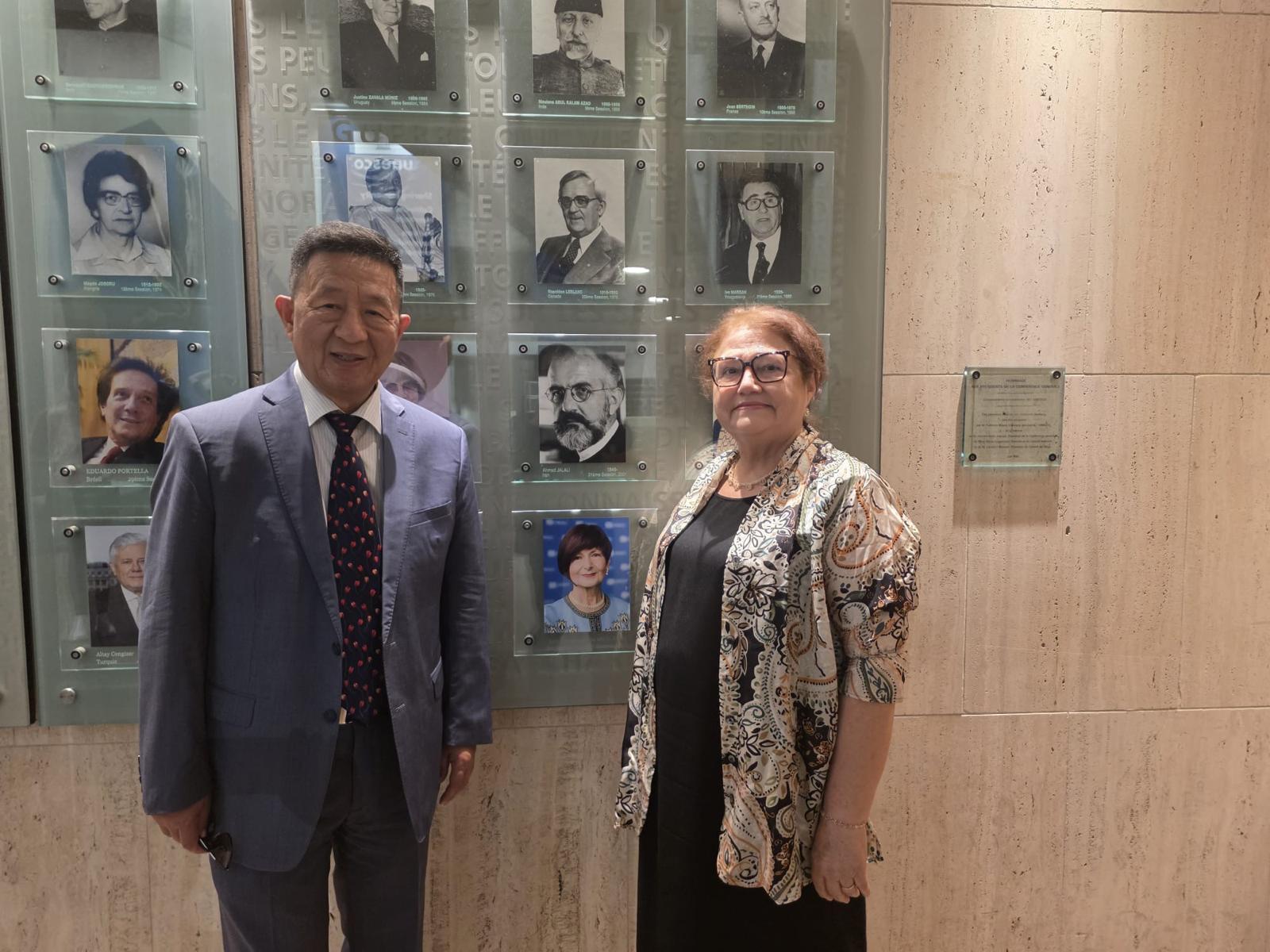


Alumnus Club for UNESCO, through its chairmanship, Daniela Popescu, was part of the regional meeting of UNESCO clubs in Arab countries, held at 29 September 2026, event organized by UNESCO and the Tunisian Federation.
The meeting represented an important moment of dialogue and exchange of experience between the participating UNESCO organizations and clubs and provided the framework for the presentation of international cooperation initiatives.
During the event, The Alumnus Club for UNESCO presented the partnership developed in the period 2025–2026 with the UNESCO Club of Gafsa in Tunisia, part of the "Euro-Arab Cultural Bridge – Education" initiative, Heritage and UNESCO Cooperation”, carried out in cooperation with partners from Romania and Tunisia.
partnership, started at Gafsa, in November 2025, through a series of symbolic and cultural moments - the planting of trees, participation in the film festival, the celebration of Romania's National Day and the discovery of Tunisian heritage, including the memorable experience in the desert – continued in Romania, in April 2026, through the program held in Bucovina.
The presentation thus highlighted the continuity of a collaboration built through culture, education, patrimony, youth and UNESCO values, as well as the perspective of its development in a wider framework of cooperation between Europe and the Arab world.
Below we reproduce the speech presented at the regional meeting:
Ladies and gentlemen,
Dear friends,
Some bridges are built of stone. Others are built through trust, shared memories and the courage to discover one another.
Between Romania and Tunisia, such a bridge began to take shape through culture, education, heritage and UNESCO values.
The initiative “Euro-Arab Cultural Bridge – Education, Heritage and UNESCO Cooperation” is particularly important because it represents the first common initiative between the European and Arab branches of the World Federation.
We are opening a new path for Euro-Arab cooperation, with the ambition to involve other UNESCO organizations and communities from Europe and the Arab world.
This initiative was also dedicated to the 70th anniversary of Romania’s membership in UNESCO.
In Romania, it was organized by the Romanian Federation, the Alumnus Club, the CYGNUS Scientific Society and the “Bucovina” Forestry College, together with our Tunisian partners, especially the Club of Gafsa.
I would like to thank Mr. Mokhtar Farhat, President of the Club and Vice-President of the World Federation, as well as Mr. Mohamed Tlili and the entire Tunisian team, for their friendship, hospitality and commitment.
Our first meeting took place in Gafsa in November 2025. We planted trees together, participated in the Gafsa Film Festival, met at the university, celebrated Romania’s National Day and experienced the Tunisian desert — moments that brought us closer to the country, its people and its culture.
What began in Gafsa continued in Romania. From 1 to 8 April 2026, we welcomed our Tunisian partners to Bucovina, where they discovered Romania through its cultural and natural heritage. They visited the UNESCO World Heritage monasteries, explored local crafts, museums and ethnographic collections, and experienced the region’s natural landscapes.
They also discovered the educational and scientific dimension of Bucovina through the National Forestry Research, and a day dedicated to University of Suceava.
A central moment was the international conference “Youth and Museums”, 18th edition, bringing together young people, partner organizations, UNESCO representatives and the ambassadors of Romania and Tunisia.
For us, young people are essential. They are not only the future custodians of our heritage; they can also become active participants in preserving, interpreting and transmitting it.
The initiative was marked by two symbolic gestures: a tree was planted in Gafsa and a flag was raised in Câmpulung Moldovenesc. A tree needs time to grow, and so does cooperation.
I invite UNESCO organizations, cultural institutions, schools, universities and local communities across Europe and the Arab world to join us. I especially invite young people to become ambassadors of this bridge;
And I would like to conclude with an idea drawn from the Pope’s brilliant speech at UNESCO:
“Communion in no way suppresses diversity.”
Unity does not erase diversity. On the contrary, diversity can flourish in the harmony of our voices.
Dear friends, from every corner of the world,
We do not have to become the same in order to understand one another. We must learn to recognize and respect our differences, and to transform them into bridges.
This is exactly what I felt in Gafsa and in Bucovina.b
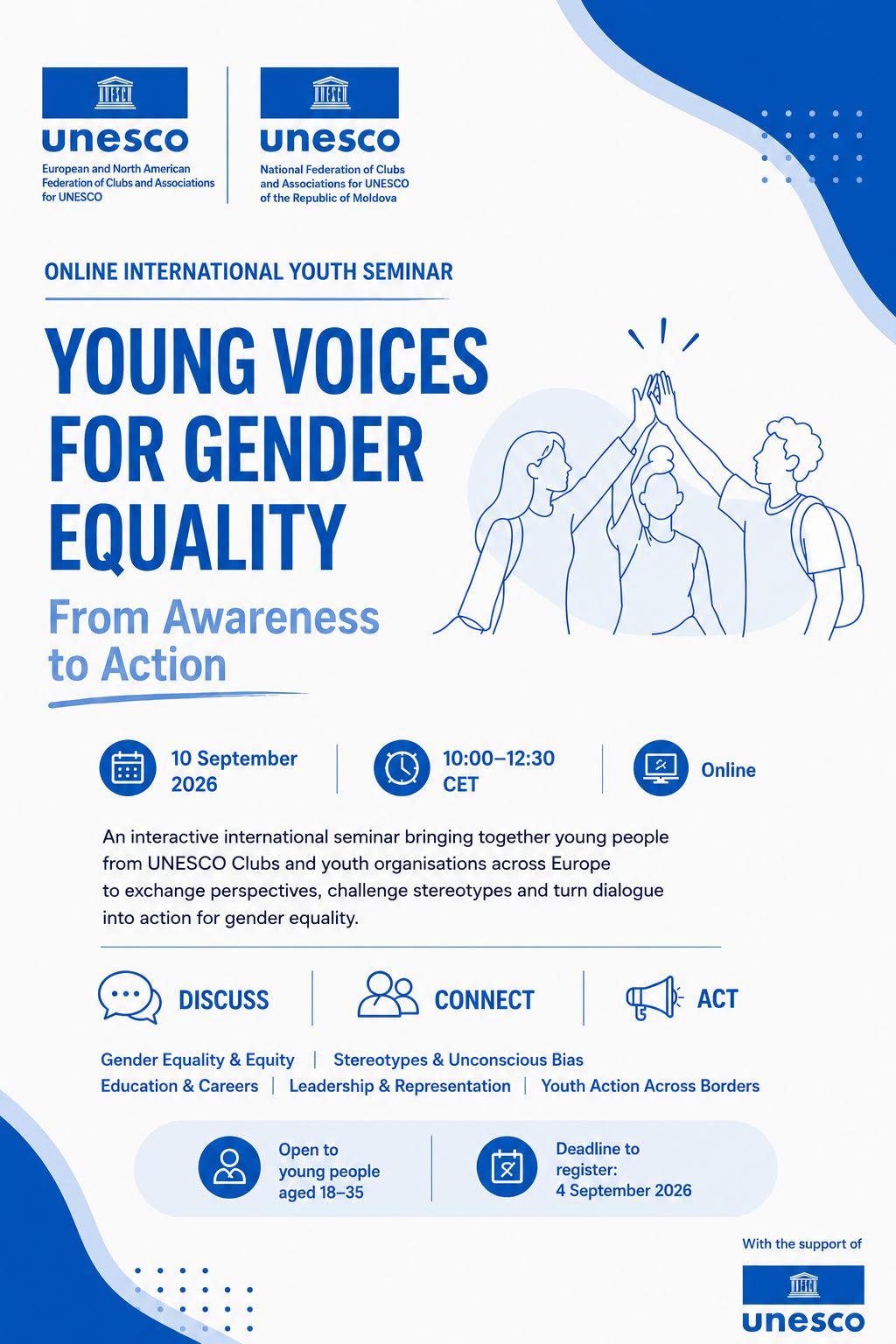
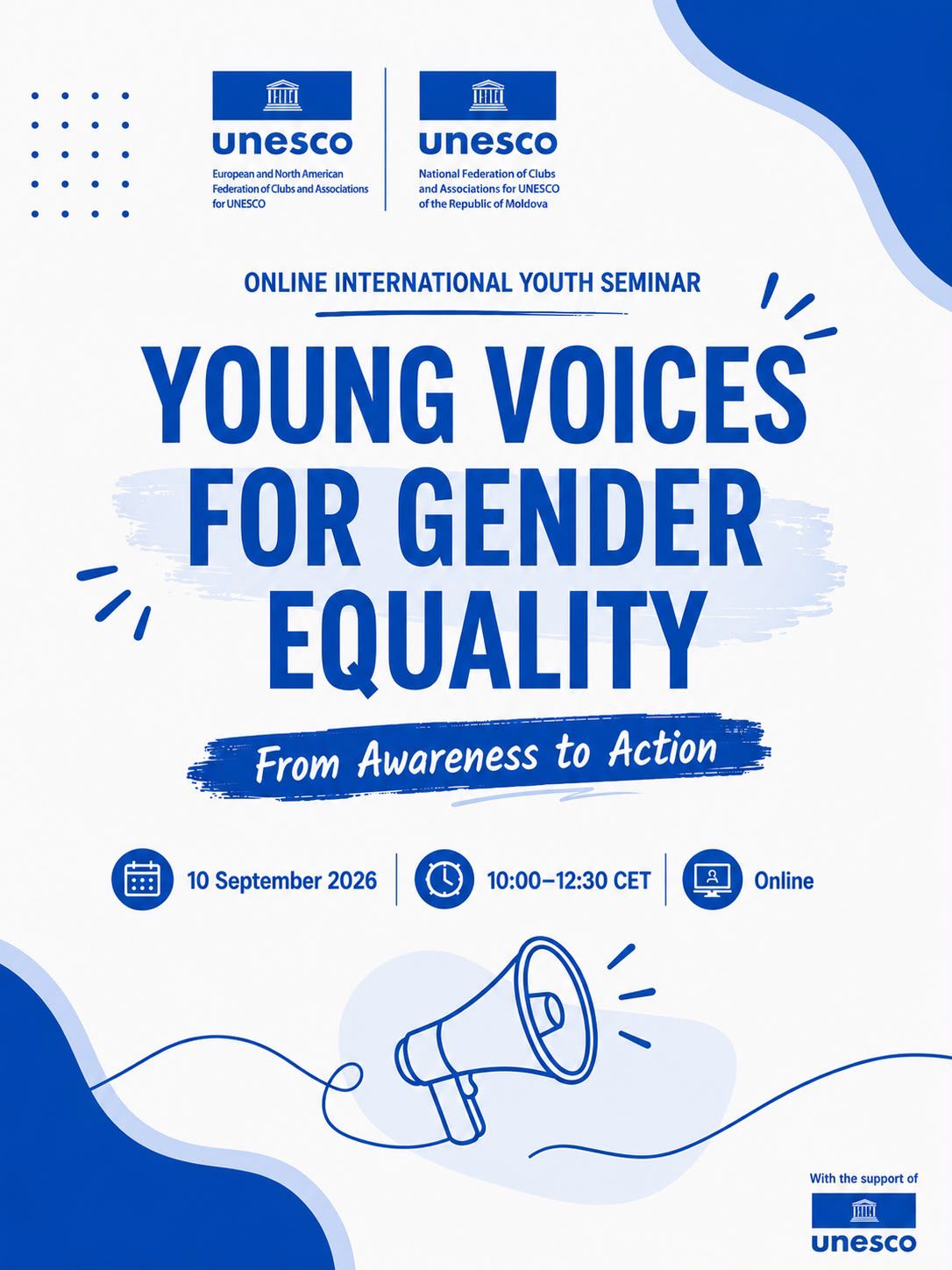
Over 80 of participants from different European countries turned the meeting organized by the Federation of Associations and Clubs from Moldova with the support of UNESCO into an event full of energy, dialogue and effervescence – as I think a real event dedicated to young people should look like.
In the intervention of the president of the club, Daniela Popescu, the role of young people in promoting gender equality was discussed and two directions for Europe were proposed:
a UNESCO European Youth Observatory, created by young people from UNESCO clubs and associations, aimed at identifying challenges related to stereotypes, equality and educational opportunities, developing and disseminating, ALSO, concrete solutions from our countries. Its activity could materialize in an annual European map of equality among young people, which reflect both the challenges, as well as good practices.
Secondly, an initiative entitled "UNESCO - Equality in Action", through which, annual, young people from a certain country would propose and test a concrete solution to promote equality at the level of a local community. Successful ideas could later be taken up, adapted and put into practice by young people from other countries, thus creating a European circuit of solutions developed and tested by young people themselves.
He introduced himself, Alumnus Club activity for UNESCO, youth organization, as well as the projects of the Romanian Federation of Associations and Clubs for UNESCO dedicated to children and young people, including the international project "Spring begins in the mother's heart" and the Bucharest-Odesa Artistic Duplex "Everything Begins in Mother's Heart", of 1 July 2026, all this in this anniversary year: Romania 70 de ani in UNESCO.
It is a joy that the Alumnus Club is an active presence in these international dialogues and that this experience can be shared with young people in Europe.
Alumnus Club joins Elite Art Association as a partner of the 23rd edition of the Balchik Art Residency project, thus continuing to support initiatives dedicated to art, culture and the promotion of the Romanian artistic heritage.
Balchik Art Residency Exhibition #23 will be presented at Elite Art Gallery, during 31 august – 8 October 2026, bringing together the works of the eight invited artists in this edition: Coon One, Carla Schoppel, Ciprian Antoci, Elena-Daniela Acatrinai, XELE, Leo Oleg Dolghier, Mariana Hultoana and the Square Cat.
The project continues the tradition of Today's Painters in Balcic, initiated by the Elite Art Association over two decades ago, and proposes a new meeting of contemporary artists with Balcicul - a place with a strong charge in the history of Romanian art.
Through the partnership with Elite Art, The Alumnus Club reaffirms its commitment to support cultural projects that bring heritage into dialogue, contemporary creation and new generations of artists, contributing to the preservation of cultural memory and the promotion of Romanian art.
The opening will take place on Wednesday, 2 September 2026, from the hour 18:30, la Elite Art Gallery. Curator of the exhibition:Carla Schoppel
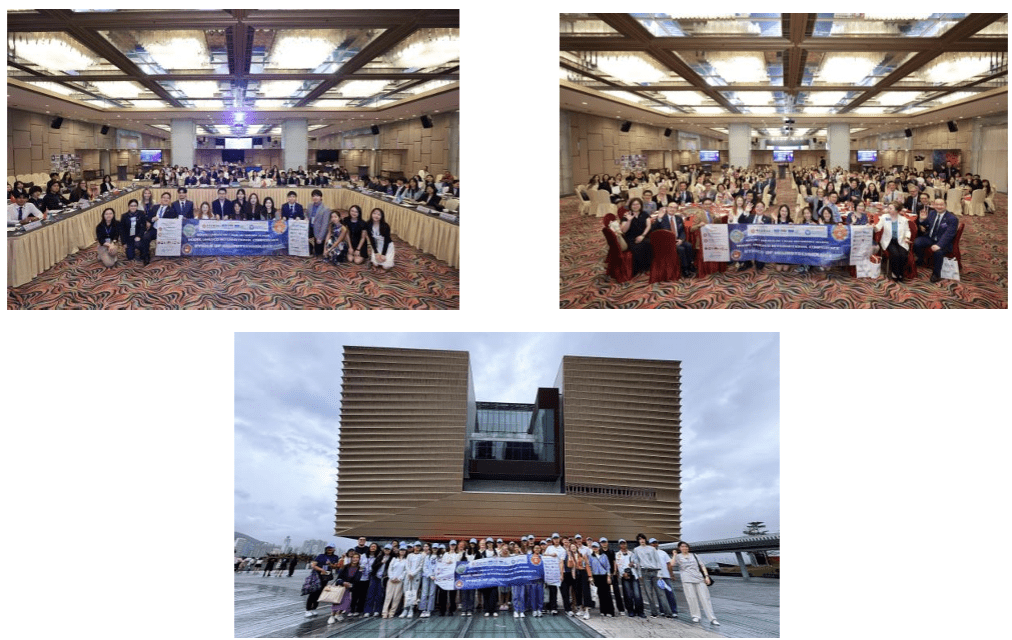
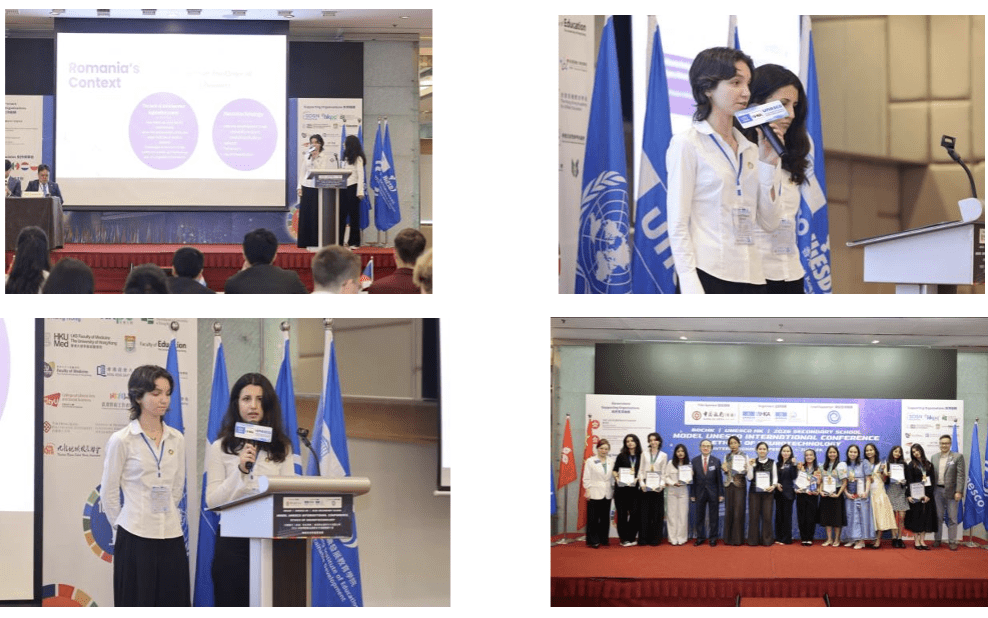
During July 25–26 2026 the conference took place 2026 Secondary School Model UNESCO Conference on the Ethics of Neurotechnology în Hong Kong, China. The eveniment to participat 60 of young people, having representatives from states and regions such as: Cambodia, China, Philippines, Hong Kong, India, Kazakhstan, Kyrgyzstan, Nepal, Poland and Romania.
The conference consisted of four MUN-specific parts: In the first part, there were presentations of the development strategies of each country, during which the participants presented their vision on the current situation in each state. In the second part, topics of interest to society were debated, on the ethics of neurotechnology, framework in which the participants expressed their constructive opinions. In the third part, participants were able to discuss freely to find common ground and harmonize previously expressed views. In the fourth part, they consulted with a view to adoption, by vote, of a final resolution of the event.
Personalities such as: Professor Karen Cheung (President of the Unesco Hong Kong Association and Director of the Hong Kong Institute for Education for Sustainable Development), Counselor Wang Jian (Director General of the International Department of the Office of the Commissioner of the Ministry of Foreign Affairs of the People's Republic of China in the Hong Kong Special Administrative Region), Dr. Geoffrey Mok (Neuropsychologist Clinician, Therapy Partners Limited), Dr. Wu Dandan (Co-director, Center for Psychosocial Health, Hong Kong University of Education) and Mr. Bernard Lee (Member of the Council, Committee on Innovation and Technology, Hong Kong Association for UNESCO).
The conference was organized by the Hong Kong Association for UNESCO (RISK), member of the Chinese National Federation of Clubs, UNESCO Centers and Associations (CNFUCA) and by the Hong Kong Institute of Education for Sustainable Development (HiESD). This gave them the opportunity to analyze the Sustainable Development Goals (SDGs) and to promote international cooperation through education, science, culture and dissemination of information, empowering young leaders to develop critical competencies for sustainable development: systemic thinking, collaboration, strategy, critical thinking and integrated problem solving. The conference activity will contribute to the paper "Youth Prospect on the Ethical Development and Application of Neurotechnology in the Greater Bay Area".
The representatives of the Romanian Federation of Associations and Clubs for UNESCO through the Alumnus Club, Andrei Ioana-Odette and Sister Ingrid-Maria were present at this fundamental conference.
24 July 2026 – UNESCO Headquarters, Paris, Franta
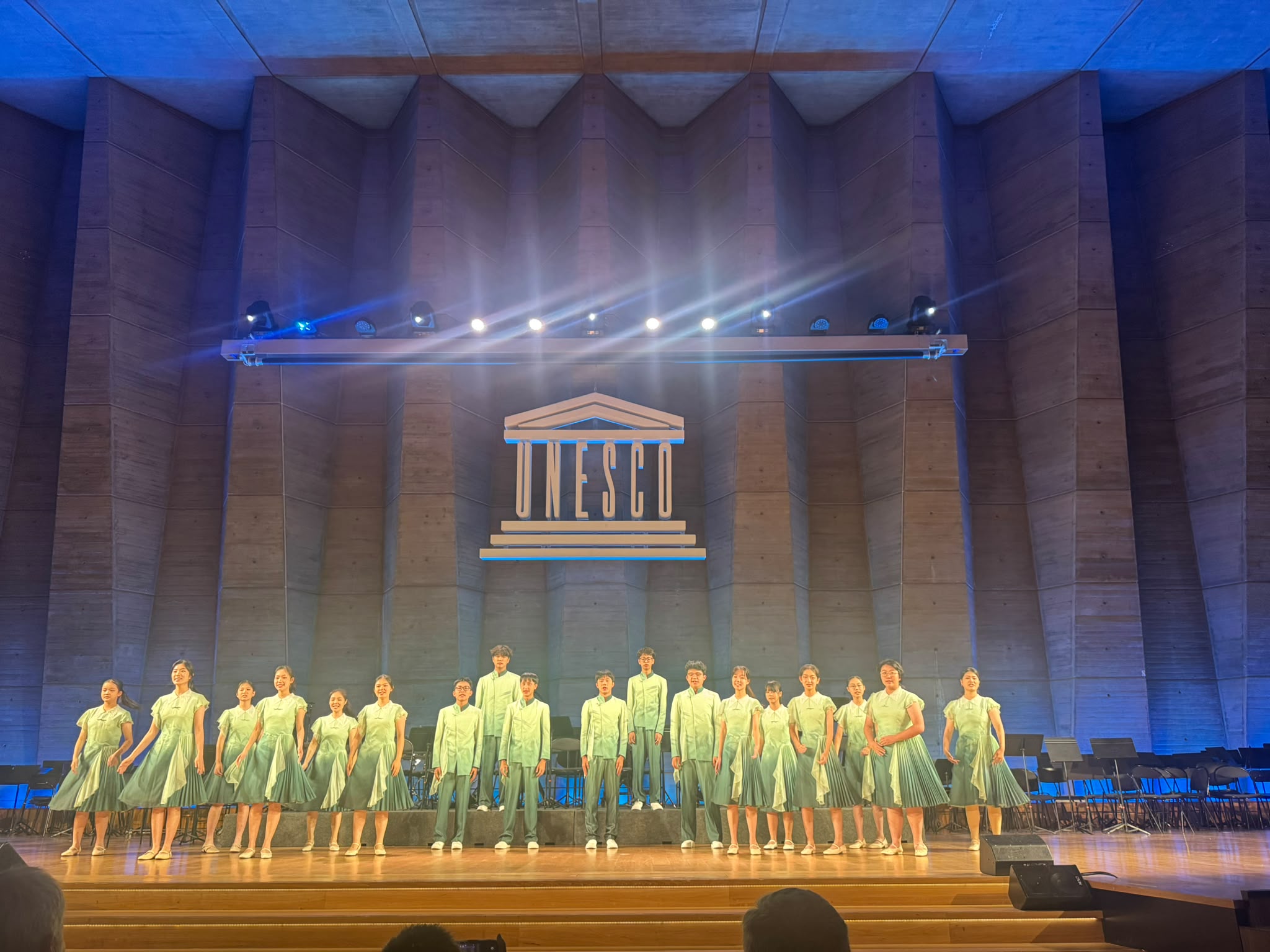
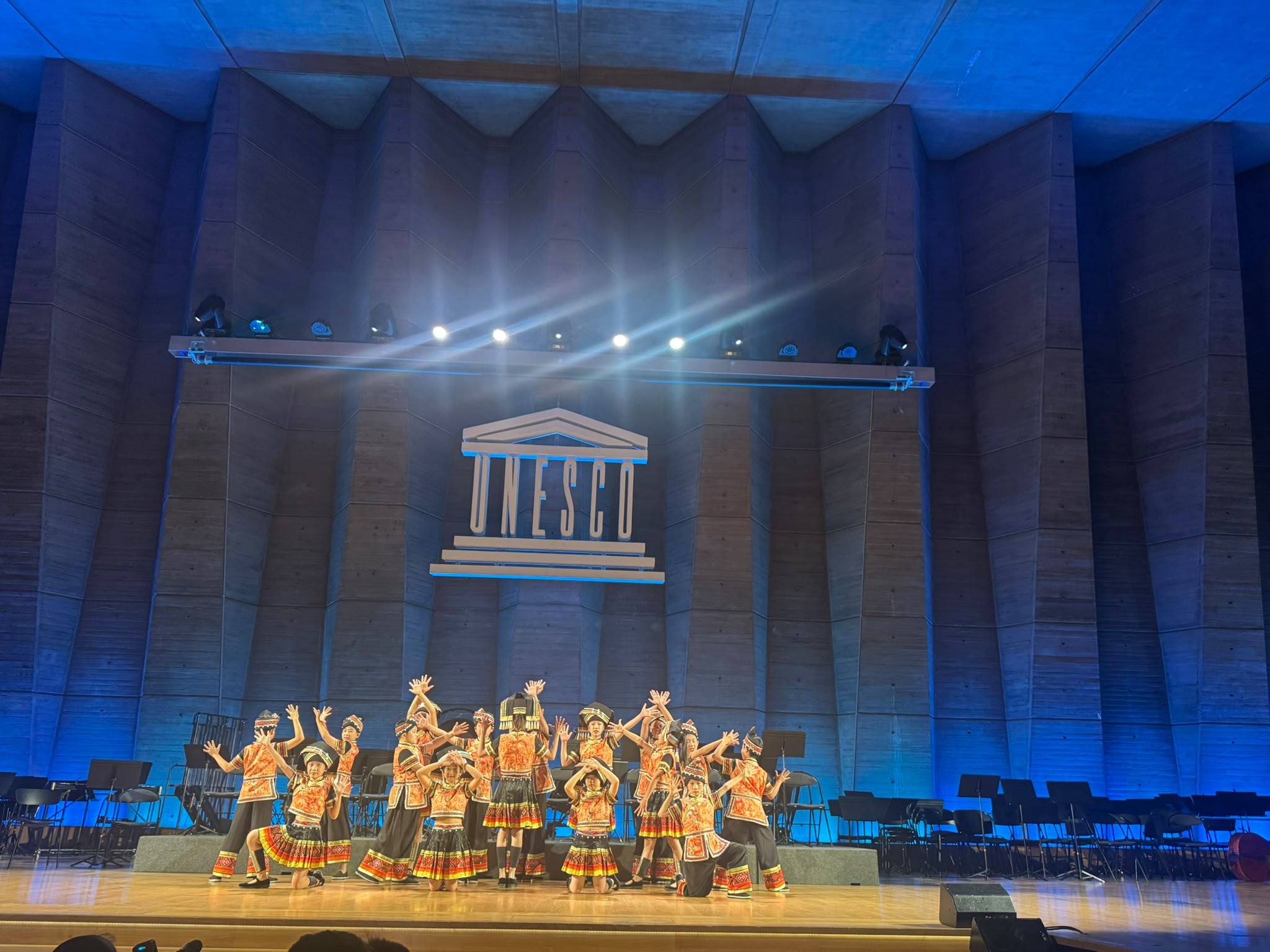
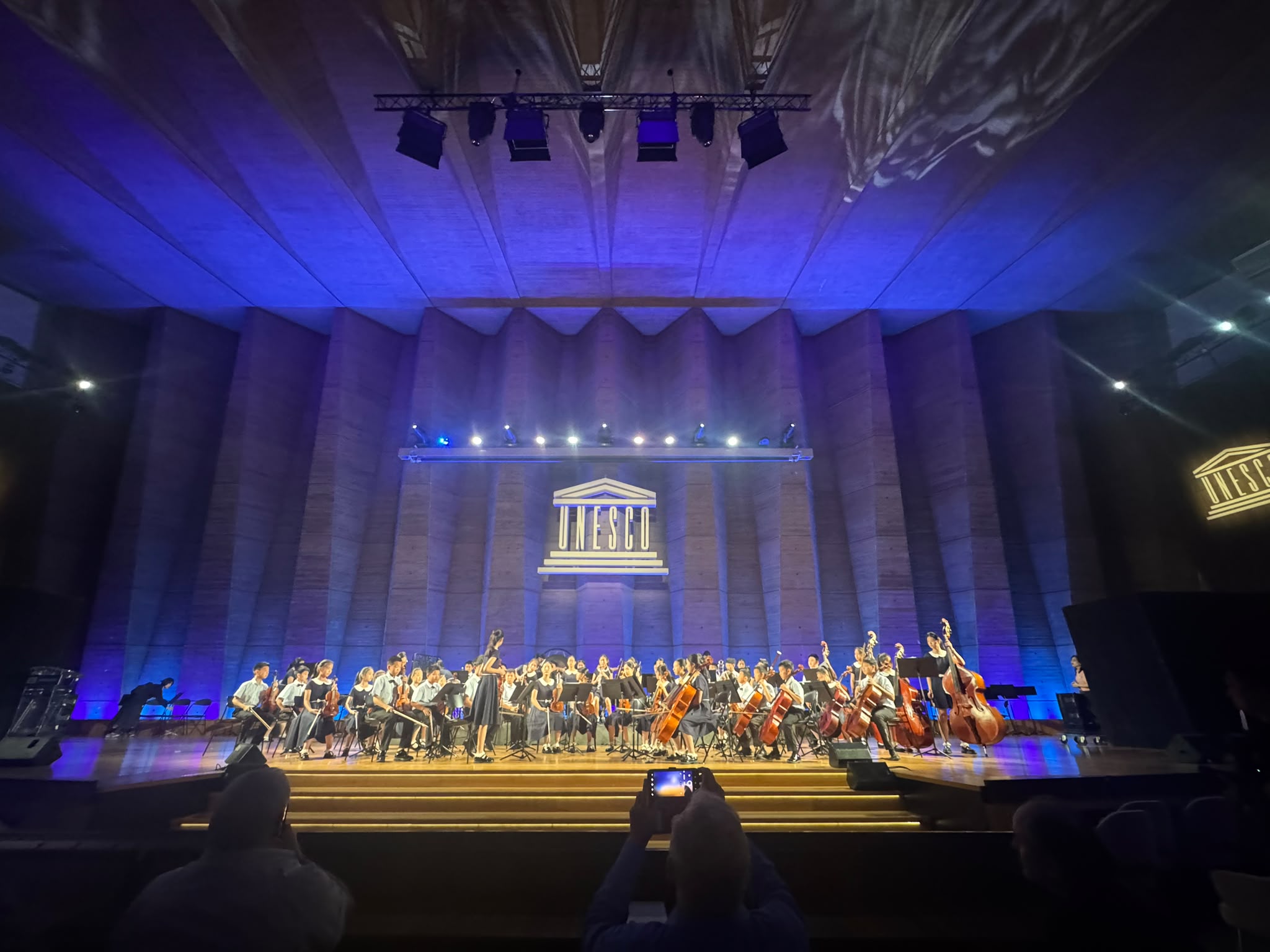
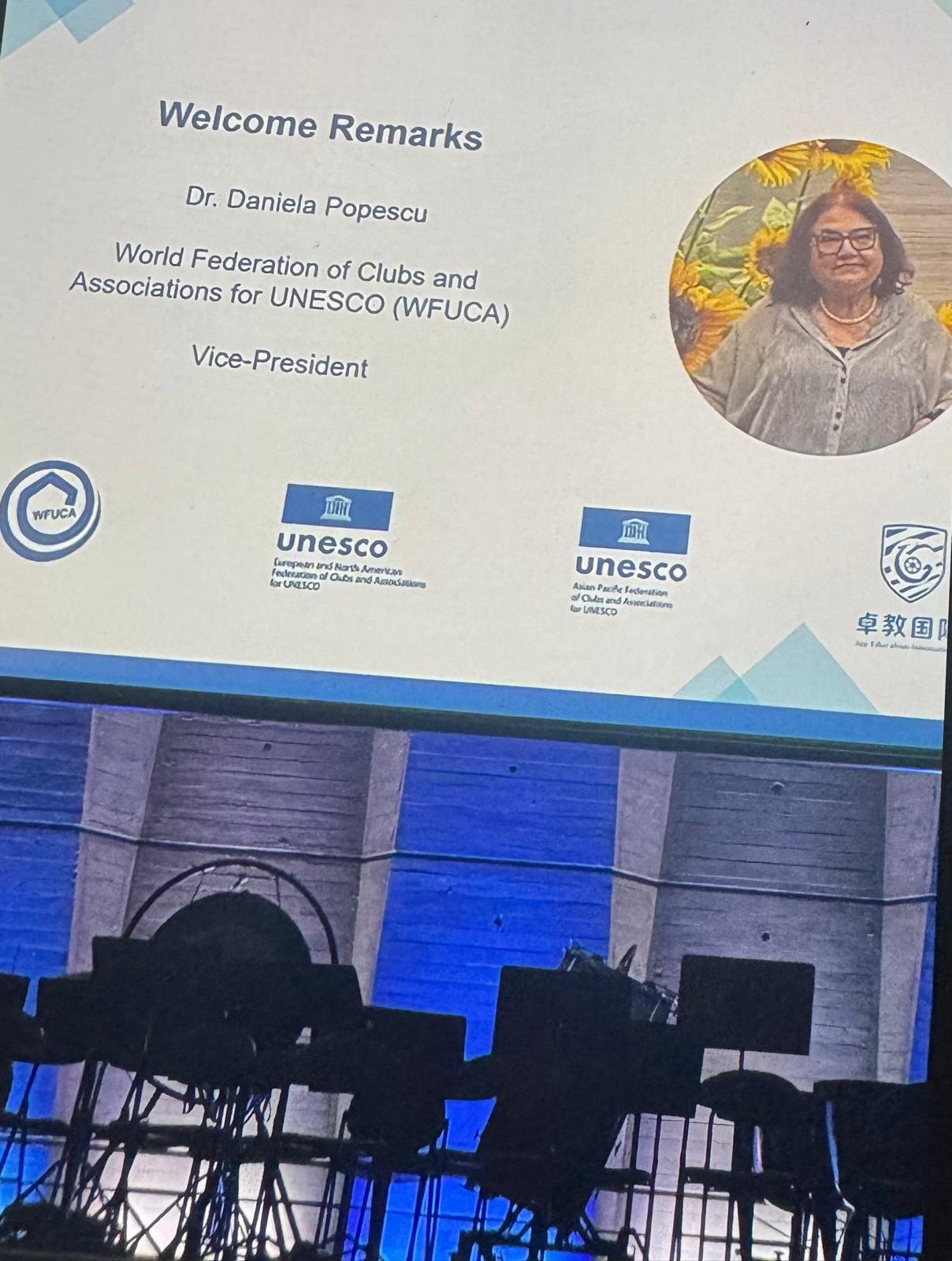
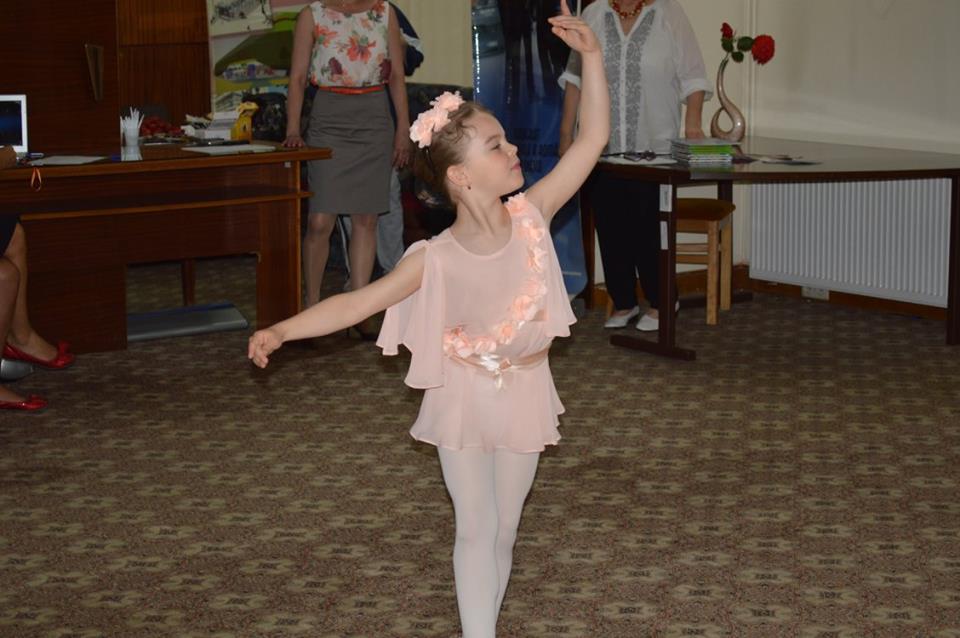
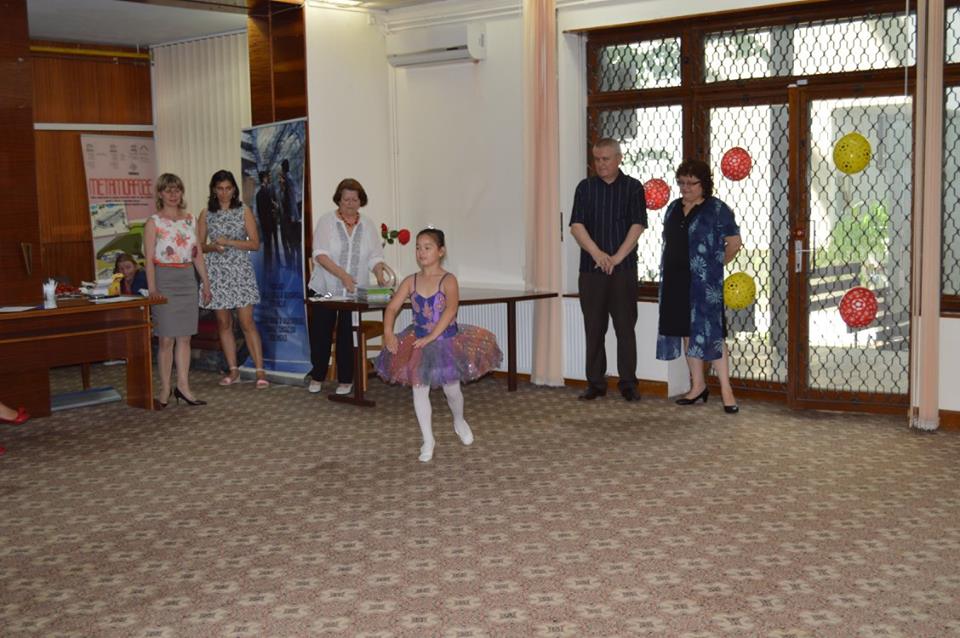
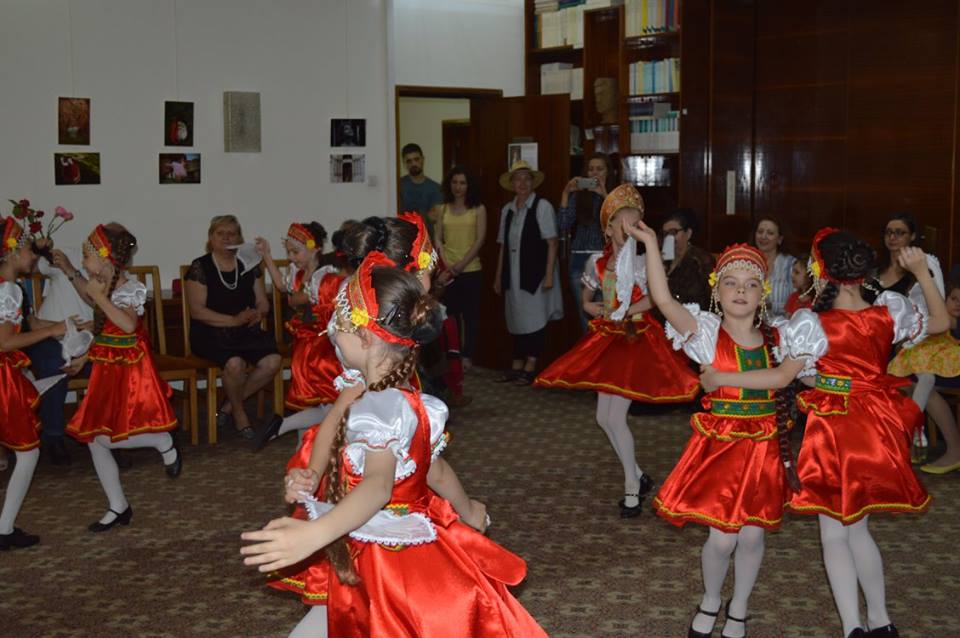
La data de 24 July 2026, at the UNESCO headquarters in Paris, a avut loc „Asian Youth Capacity Building Workshop – Culture Performance Programme”, event dedicated to children and young participants in cultural and artistic programs.
The event gave young Asian artists the opportunity to present, through music, dance and other forms of artistic expression, representative elements of their cultures, in a symbolic space for international dialogue, education, culture and peace.
The participation of these children and young people in an event held at the UNESCO headquarters was not only an artistic experience, but also an experience of intercultural dialogue, friendship and closeness between generations and peoples.
In the opening message and in the letter addressed to the young people, I emphasized the emotion that the meeting with these "little artists" caused me, as well as their joy at being on the UNESCO stage. Through music, dance and art, they conveyed universal values such as friendship, respect, solidarity and the joy of being together.
A particularly emotional moment was meeting the young people after the show, when several of them came to offer small token gifts, especially panda figurines. For me, these gifts had a deeply affective value, representing the symbol of a meeting between the hearts of the children of Asia and the European space that welcomed them warmly.
I am confident that their generation will be able to contribute, through culture, education and art, to building a more peaceful and closer world. I encouraged them to keep their curiosity, goodness, creativity and the ability to build bridges between people.
Also ,thanks were also addressed to the teachers, parents and all those who supported and prepared them for this experience, emphasizing that in the talent and success of each child is found the work, the love and encouragement of those around.
The event at UNESCO Paris thus represented a beautiful example of the role that culture and art can have in bringing young people from different countries and promoting UNESCO values.